

Introduction
In April 2026, the ISDA Margin Survey showed that leading derivatives firms had collected a record $1.6 trillion of margin in 2025. In addition to growing volumes, the complexities of managing diverse asset pools create further operational friction for institutional investors (J.P.Morgan, 2026).
The challenge
As a result, the increasing liquidity volumes held by financial institutions in the form of collateral often remain fragmented across platforms and market participants (see Figure 1). This is associated with significant friction in mobilising collateral and getting it to where it's needed, when it's needed. None of this is a messaging problem – ISO 20022 already carries the business intent. It's a ‘mobility and linkage’ problem. And leveraging blockchain technology and a standards-based lifecycle can close the gap.
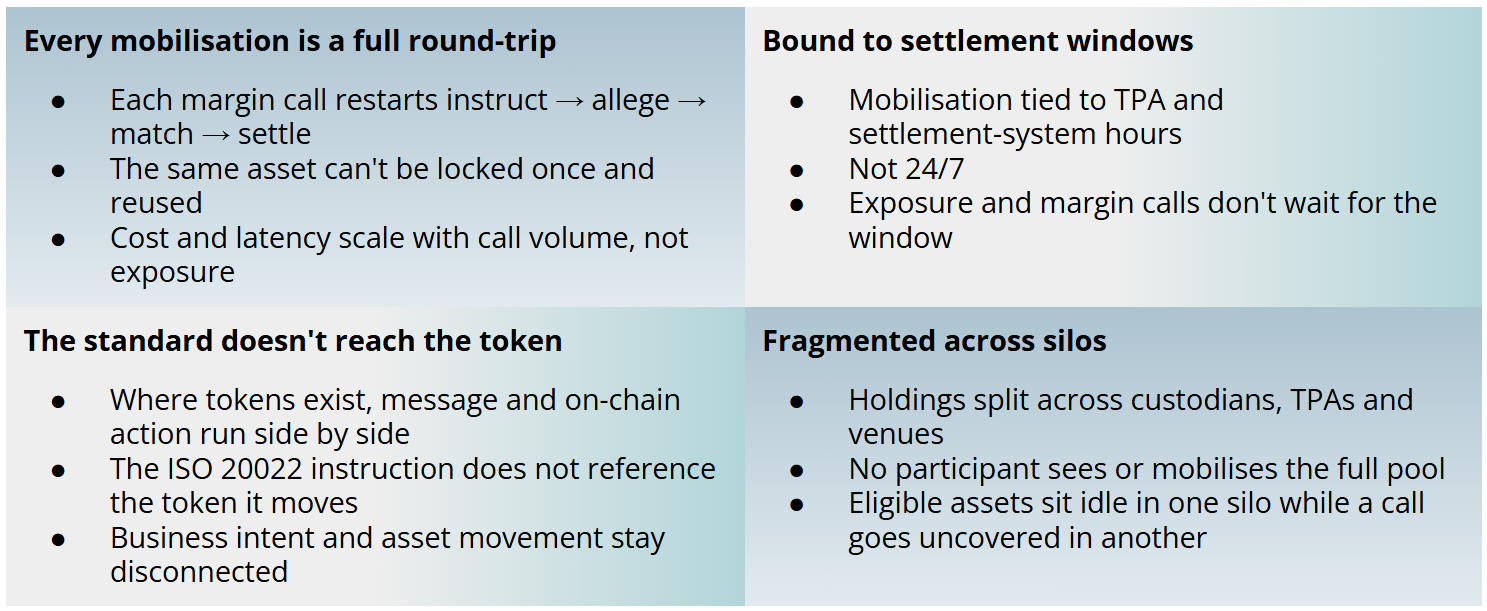
Figure 1. Challenges currently associated with collateral liquidity
The solution
The solution the Exactpro team developed for the Swift Hackathon 2026 proposal introduces a comprehensive standards-based collateral lifecycle framework that enables institutions to mobilise existing collateral holdings and optimise their workflows via a tokenised asset environment. As a result of the first Swift Hackathon 2026 phase, the solution was selected as a finalist in the Business Challenge track.
As financial markets adopt tokenised assets, institutions require a clear operating model that preserves existing market structures while unlocking the efficiency benefits of digital assets. Our solution addresses this challenge by defining and orchestrating the end-to-end lifecycle of tokenised collateral across multiple participants, infrastructures and jurisdictions. The solution’s model defines and orchestrates the interactions between market roles: the Collateral Maker (asset owner), Collateral Taker, Collateral Operations Platform and Triparty Agent.
The Collateral Operations Platform acts as the central coordination layer, enabling collateral allocation, transfer and lifecycle event management across the participants and collateral network. The ISO 20022 layer of the Platform enables the exchange of collateral instructions, status updates, lifecycle events and settlement information between collateral platform and triparty agents through the tokenisation network. By separating business processes from underlying ledger technologies, the framework supports interoperability between traditional and tokenised infrastructures.
Solution architecture
The proposed prototype demonstrates a collateral mobility lifecycle, including collateral onboarding, its tokenisation, transfer between parties and collateral release upon fulfilment of obligations.
Because all institutions participating in the proposed network use the same standardised business components and lifecycle events, a token issued on one ledger can be interpreted, validated and processed by another partner party.
Architecturally, this is achieved through an integration layer based on ISO 20022 messaging which connects the DLT-based Collateral Operations Platform with Triparty Agents and external ecosystems.
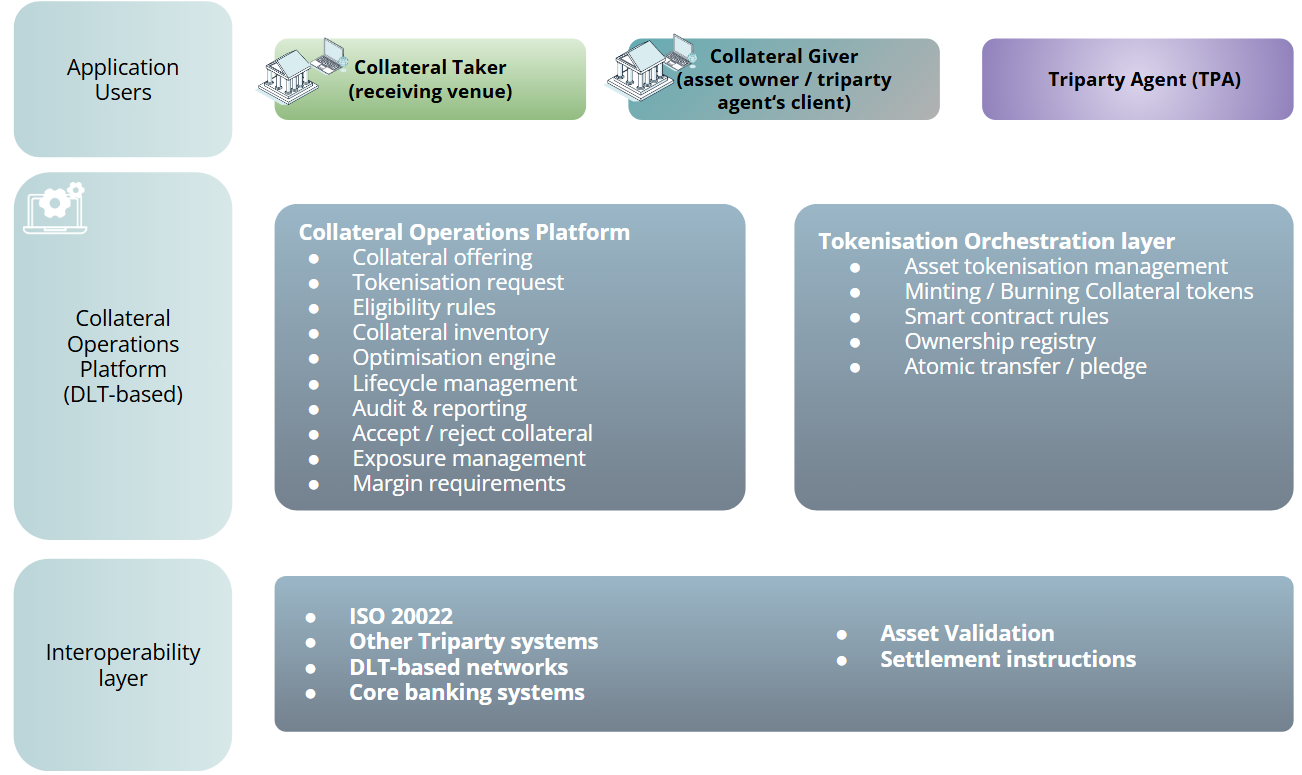
Figure 2. Proposed Collateral Operations Platform – reference architecture
As proposed for the hackathon, the scope of the solution features two lifecycle scenarios (flows).
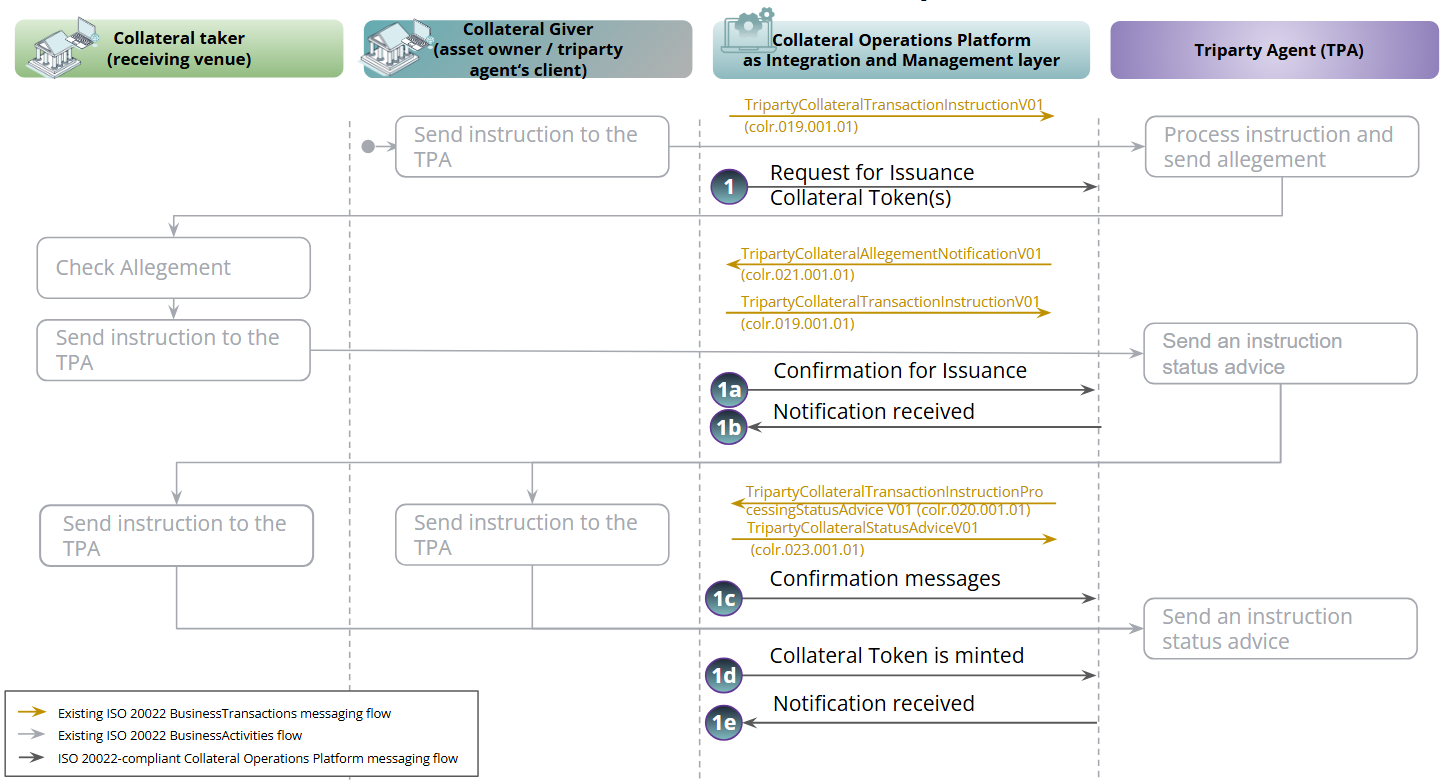
Figure 3. ‘Initiation of a Transaction’ scenario with the Collateral Operations Platform – Flow 1
Flow One is a situation in which the Collateral Giver does not yet hold collateral tokens. They need to be minted against assets held at the Triparty Agent. The flow begins with the existing ISO 20022 triparty exchange, shown in dark yellow. The Collateral Giver sends a Triparty Collateral Transaction Instruction – colr.019 – to the Triparty Agent, who processes it and issues an allegement.
In parallel, the Collateral Operations Platform submits a request for issuance of collateral tokens to the Triparty Agent, referencing that same instruction. Meanwhile the standard triparty matching continues. The Agent sends the allegement notification – colr.021 – to the Collateral Taker, who checks it and returns their own matching colr.019 instruction.
At 1a, the Triparty Agent confirms the issuance request back to the Platform, and at 1b, the Platform records the notification. The Agent then issues an instruction status advice to both parties – colr.020 – followed by the Triparty Collateral Status Advice, colr.023, confirming the transaction has settled. At 1c, the Platform receives those confirmation messages. Only after settlement is confirmed does the minting occur: at 1d the collateral token is minted, and at one-e the Giver receives notification that the token is available.
The key point is that the token is minted against assets already locked and confirmed at the Agent. Token Minting follows asset lock – and never precedes it.
Notice changes vis-a-vis the traditional ISO 20022-compliant flows. Every dark yellow message is an existing ISO 20022 triparty message, exchanged exactly as the standard defines it. The Collateral Operations Platform adds a tokenisation layer alongside that flow, without altering the business semantics the market already relies on.
The integration layer is what makes the model portable. Because it exchanges standard ISO 20022 messages rather than a proprietary API, any Triparty Agent, custodian or collateral platform that already speaks colr. can connect to it. This makes the approach adoptable: institutions keep their existing triparty relationships, messaging and custody arrangements, and gain token mobility on top.
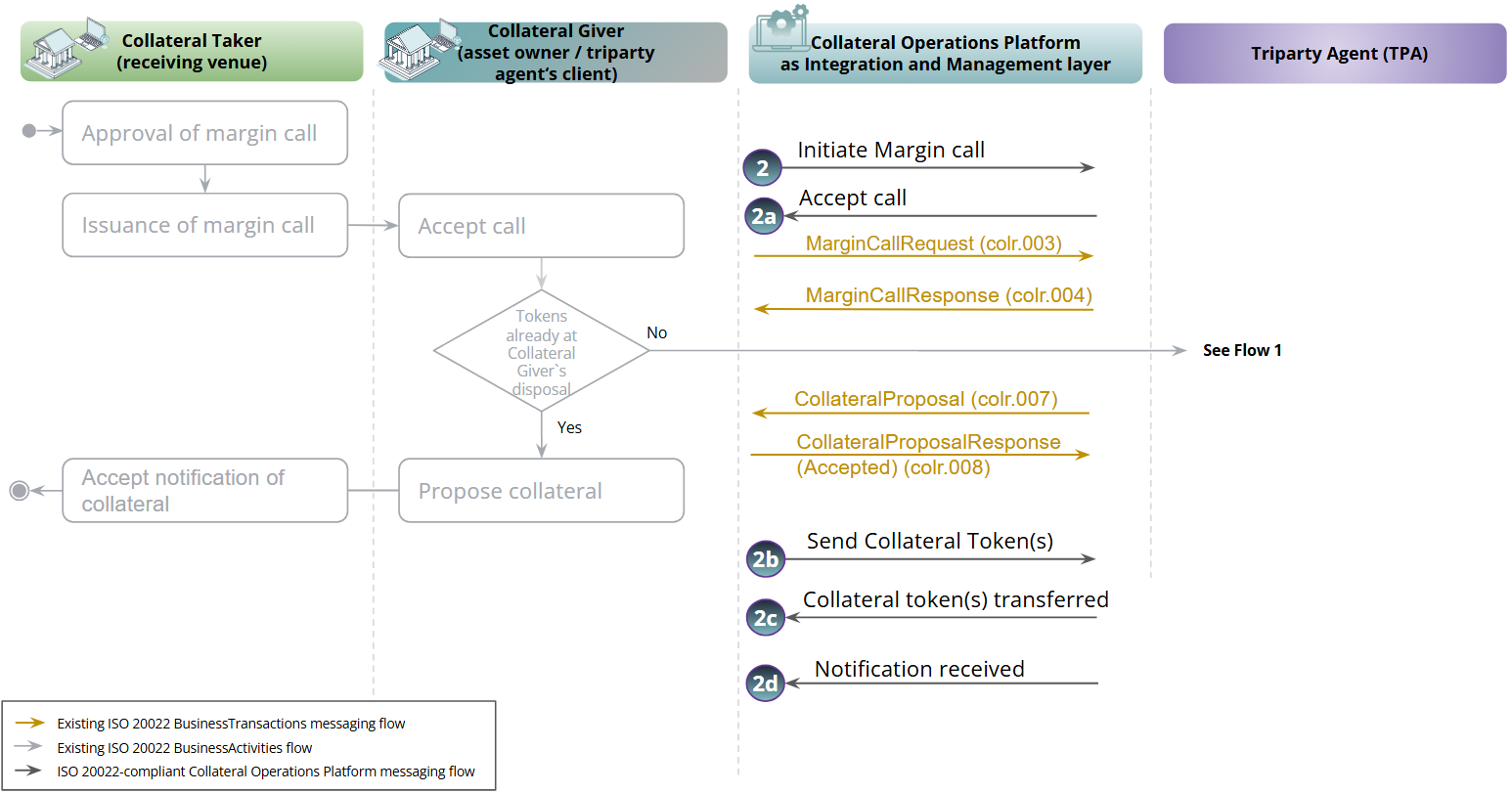
Figure 4. ‘Margin Call Acceptance & Propose Collateral’ scenario with the Collateral Operations Platform (tokens already at the Collateral Giver’s disposal) – Flow 2
In the Flow Two scenario, the Collateral Giver already holds collateral tokens at their disposal – no minting is required, so the flow completes without a round trip to the Triparty Agent for issuance. It begins with the Collateral Taker approving and issuing a margin call. At marker 2, the Collateral Operations Platform initiates that call; at 2a, the Giver accepts it. Underneath, these are the existing bilateral ISO 20022 messages, shown in dark yellow – Margin Call Request, colr.003, and Margin Call Response, colr.004. Note that this is a direct Taker-to-Giver negotiation: the Triparty Agent is not a party to this exchange.
The Collateral Giver then checks a single condition: are collateral tokens already available? If not, the flow branches to Flow One, where tokens must first be minted against locked assets. If yes, we continue here. The Giver proposes specific collateral from its inventory – Collateral Proposal, colr.007 – and the Taker accepts it with the Collateral Proposal Response, colr.008. Again, both are existing standard messages, unchanged.
At 2b, the collateral tokens are mobilised and sent; at 2c, they are transferred to the Taker; at 2d the notification is received and the Taker accepts notification of collateral. The margin call is satisfied – and because the token already existed, the whole cycle completes in a single pass, at any hour, without touching the custody layer.
Now, these two flows are not separate products. They are two entry points into one continuous lifecycle for the collateral token. Flow One describes token creation – assets are locked at the Triparty Agent and a token is minted against them. Flow Two describes token use – that same token is mobilised, again and again, to satisfy margin calls as they arise. The decision diamond you saw is simply the point where the lifecycle asks: does this token exist yet?
The end-to-end lifecycle runs as: lock and mint, then transfer, and transfer again – and finally, on release, the reverse: the token returns, is burned, and the underlying asset is unlocked. Collateral recall is Flow One in reverse.
That is what is implied by ‘mobility’. Locking assets and minting – the expensive step – happens once. After that, the same tokenised collateral can move repeatedly at the speed of Flow Two, while the underlying assets stay exactly where they are, in custody, under existing governance. The ISO 20022 standard describes the whole collateral cycle, and tokenisation introduces an efficient way to streamline the steps in the middle.
In the demo above, the workflow is also demonstrated in our prototype which illustrates establishing a connection to SwiftNet and the Triparty Agent as well as the collateral management capabilities offered by the solution.
Results
The ISO 20022-based interoperability layer of the Collateral Operations Platform supports near real-time collateral allocation, transfer and release across the DLT infrastructures while maintaining existing governance and custody arrangements.
Through this approach, the solution showcases how tokenisation, combined with industry standards and clearly defined operational roles, can unlock dormant liquidity, improve collateral efficiency and mobility and create a scalable foundation for future interoperable digital asset markets.
By separating business processes from underlying ledger technologies, the framework also supports interoperability between traditional and tokenised infrastructures.