

Date:
For a long time, the measure of a good engineering team was clear – you knew what you were building, you built it well and you delivered it on time.
AI did not change those fundamentals. What it changed was the speed of execution. By dramatically compressing development timelines, AI has exposed weaknesses in many areas, including strategy and architecture, and changed the way we contribute.
84% of developers are using or planning to use AI tools. Features that once took a full sprint can now take an hour or less. Execution is no longer the hard part. Speed is no longer an issue.
Teams using AI are merging twice as many pull requests but review time has gone up by 91%. Researchers called it a brand new credit card for accumulating technical debt.
When execution is no longer the constraint – suddenly the questions that were always important become urgent. Not "can we build this faster?" – but "are we building systems that will be stable? That we can maintain and scale? That won't collapse under their own complexity in six months?"
The bottleneck moved. From executing to thinking. From writing code to testing. From doing what you're told to seeing what's missing.
That shift demands a different kind of contribution. And it's why we developed a five-tier framework that maps where real engineering value resides in 2026 and describes distinct levels of value contribution in modern, AI-assisted software development.
In this article
T1 Implement a Feature T2 Testing T3 Design a Feature T4 Add Guardrails T5 Improve CoherenceLower tiers remain necessary, but their impact scales only when higher tiers are present. The top tiers multiply the effectiveness of everything below them.
Tier 1: Implement a Feature
Tier 1 is Feature Implementation. And in an AI-assisted environment, it has changed dramatically. If you can describe a feature clearly in one or two sentences, there's a good chance it can be done in under an hour. Sometimes faster, if you know how to prompt.
This changes the economics of engineering. The bottleneck was never writing code. It was always reading, understanding and reasoning about what the system is supposed to achieve. That part still belongs to humans.
Tier 1 is translating a requirement into a clear prompt, generating code with an AI assistant, reviewing the output, doing a quick sanity check by clicking through the interface, making sure nothing breaks in obvious ways, installing components and adjusting CI/CD pipelines. In fact, it can be any task that can be clearly formulated and delegated. However, Tier 1 has limited standalone value. It assumes that someone else has already decided what to build and why.
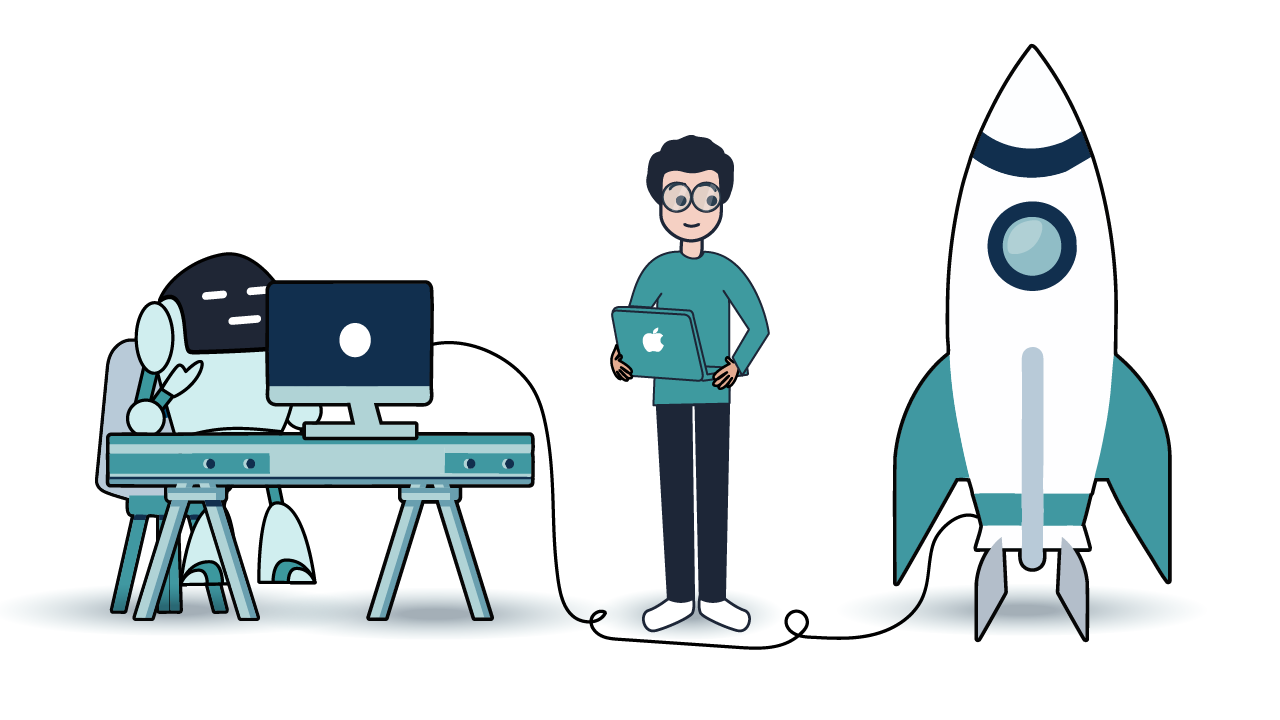
Copy. Paste. Merge. Move on. That's not engineering. That's throughput. Throughput without judgement increases system size. It does not improve system quality. The correct approach is to test new features, keep changes small and controlled. Don't trust AI blindly, trust yourself to catch what AI misses.
Tier 2: Testing
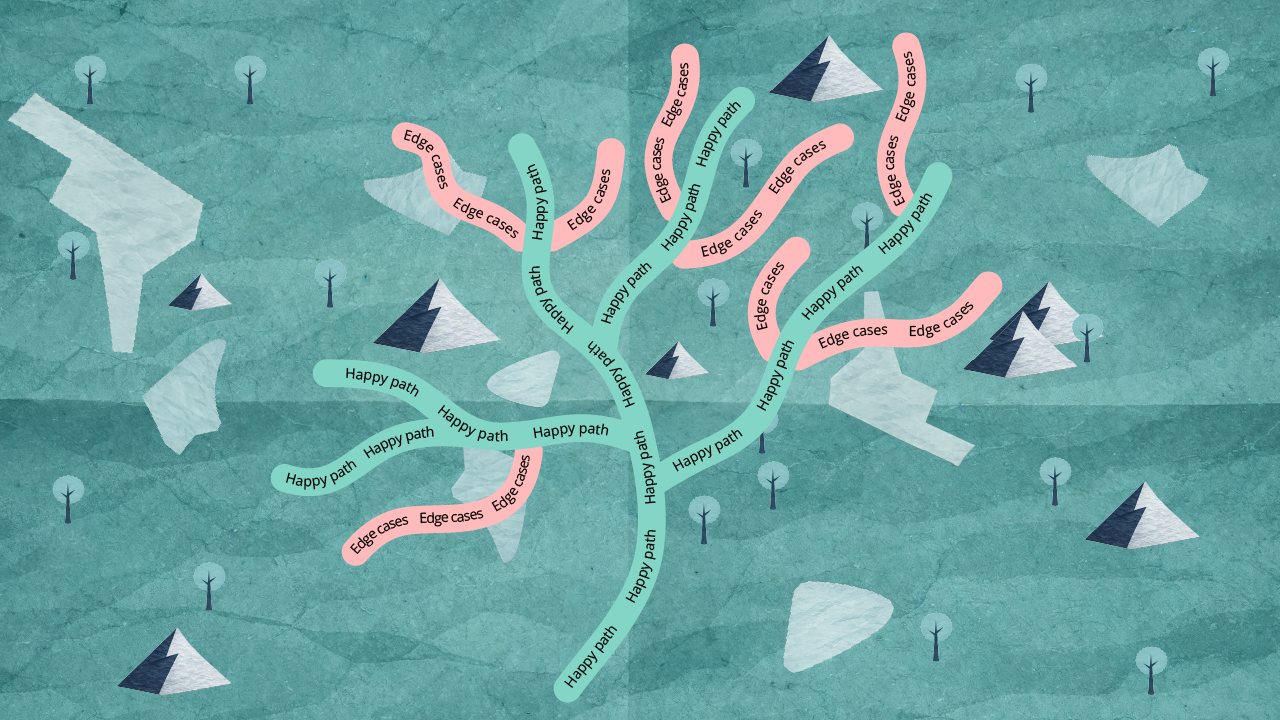
Tier 2 is Feature Testing. Testing is not the same as checking whether something works. It is asking questions like “What happens when a feature doesn't work as intended?” When Tier 1 mindset is generating 10,000 records, Tier 2 thinking would be what happens under load? What if the connection drops mid-transfer? What if the schema changes? What if someone provides unexpected input?
That's a fundamentally different mindset. And it's cognitively demanding because it requires attention, technical understanding and the ability to build a mental model of the system logic and then challenge it. The approach here is to stray from the ‘happy path’ and explore edge cases, test boundaries, examine how components interact and question assumptions, especially the ones written in the documentation, because documentation is often optimistic.
Tier 3: Design a Feature
When execution is no longer the hardest part, what becomes truly difficult? It’s seeing what's missing. It means recognising gaps before they become problems. Proposing new capabilities and identifying inefficiencies before someone else raises a ticket about them.
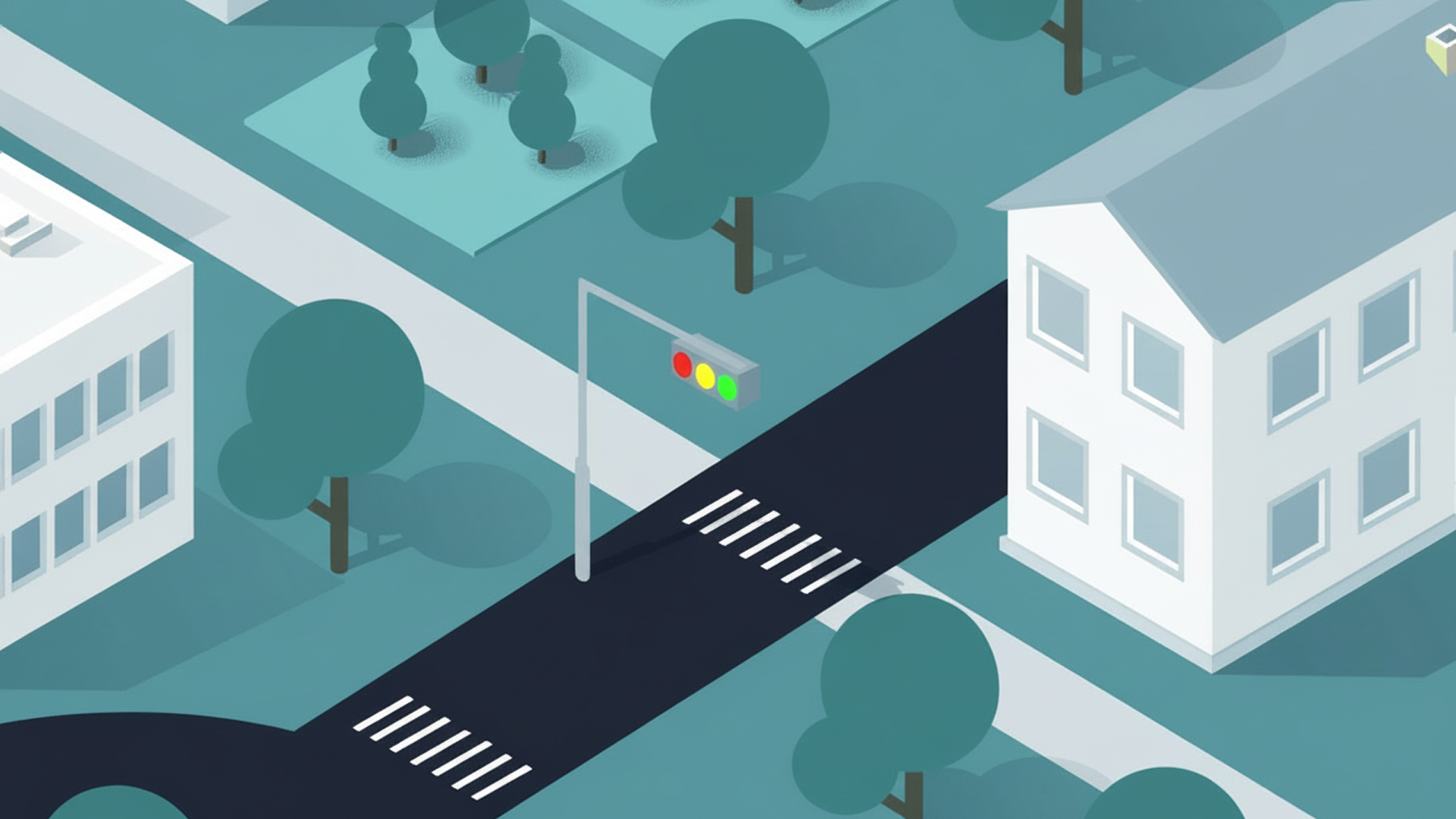
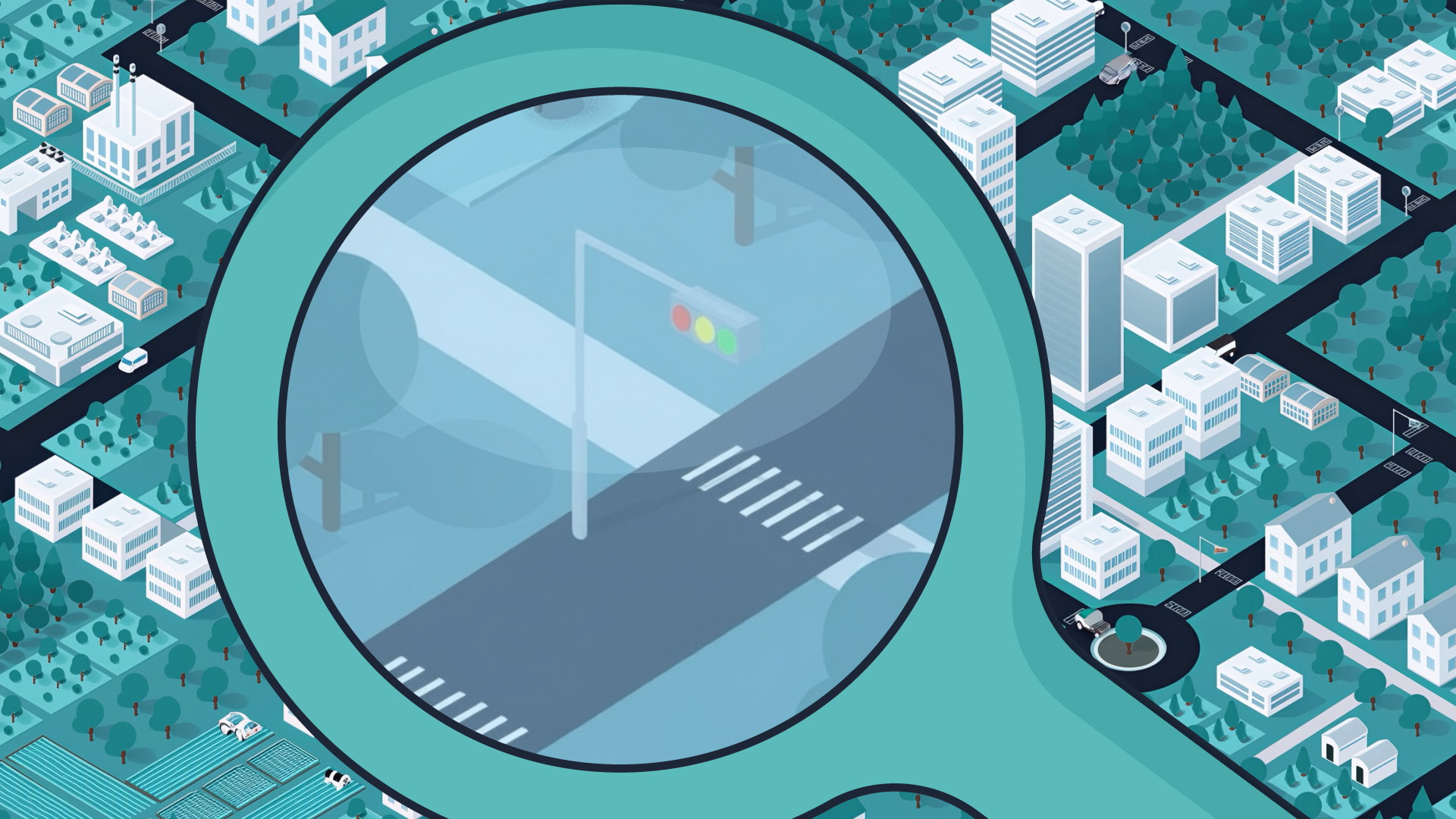
Instead of waiting for a certain feature implementation request, Tier 3 thinking notices missing monitoring, lack of visibility into key flows or opportunities for functionality that would increase flexibility down the line. That's design thinking. It's rare not because it's technically hard, but because it requires initiative. It requires you to care about the system beyond your assigned tasks.
The approach here is to actively look for gaps, question missing capabilities and propose improvements before they become urgent problems.
Tier 4: Add Guardrails
Tear 4 is where technical seniority becomes visible. Guardrails are automated rules, checks and policies that keep development safe, secure and compliant without blocking progress. They are CI enforcement, automated regression checks, static analysis, schema validation, monitoring, permission boundaries.
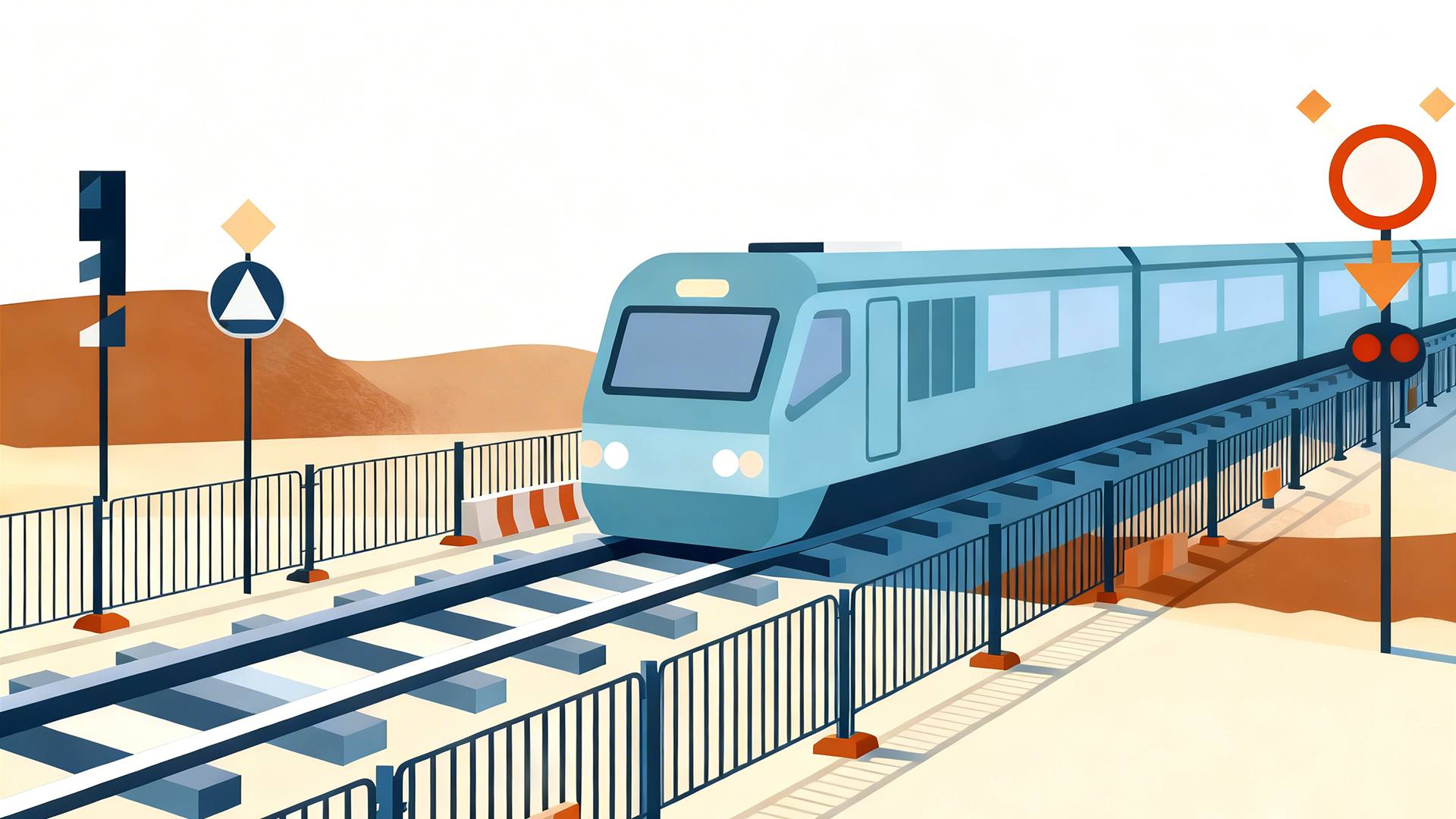
Key insight: the only way to build things quickly and sustainably is to have a robust safety net underneath. Without guardrails, contributions from Tiers 1 through 3 can turn into structural disorder and lose much of their meaning. The system becomes hard to maintain, features become difficult to test, and the overall architecture becomes something nobody fully understands anymore.
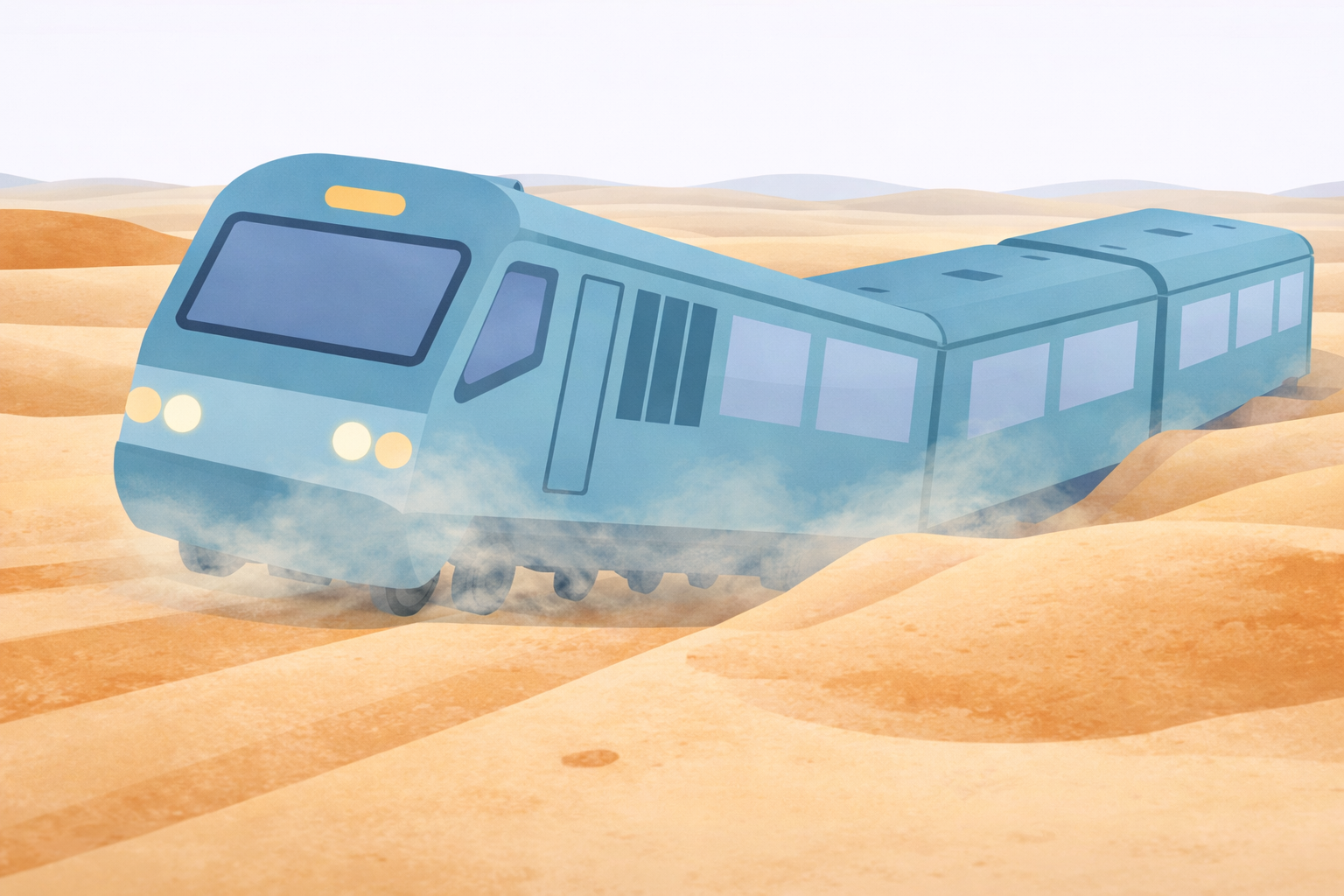
Tier 4 approach is to automate recurring checks, eliminate repeated mistakes permanently and design safety that doesn't slow people down. Encoding verification checks into the system itself ensures that quality does not depend on memory, heroics or hope that people will simply be careful.
Tier 5: Improve Coherence
“ “Perfection is achieved not when there is nothing more to add, but when there is nothing left to take away.
AI makes adding almost effortless. It adds classes, endpoints, abstractions, layers. Removing is both harder and rarer.
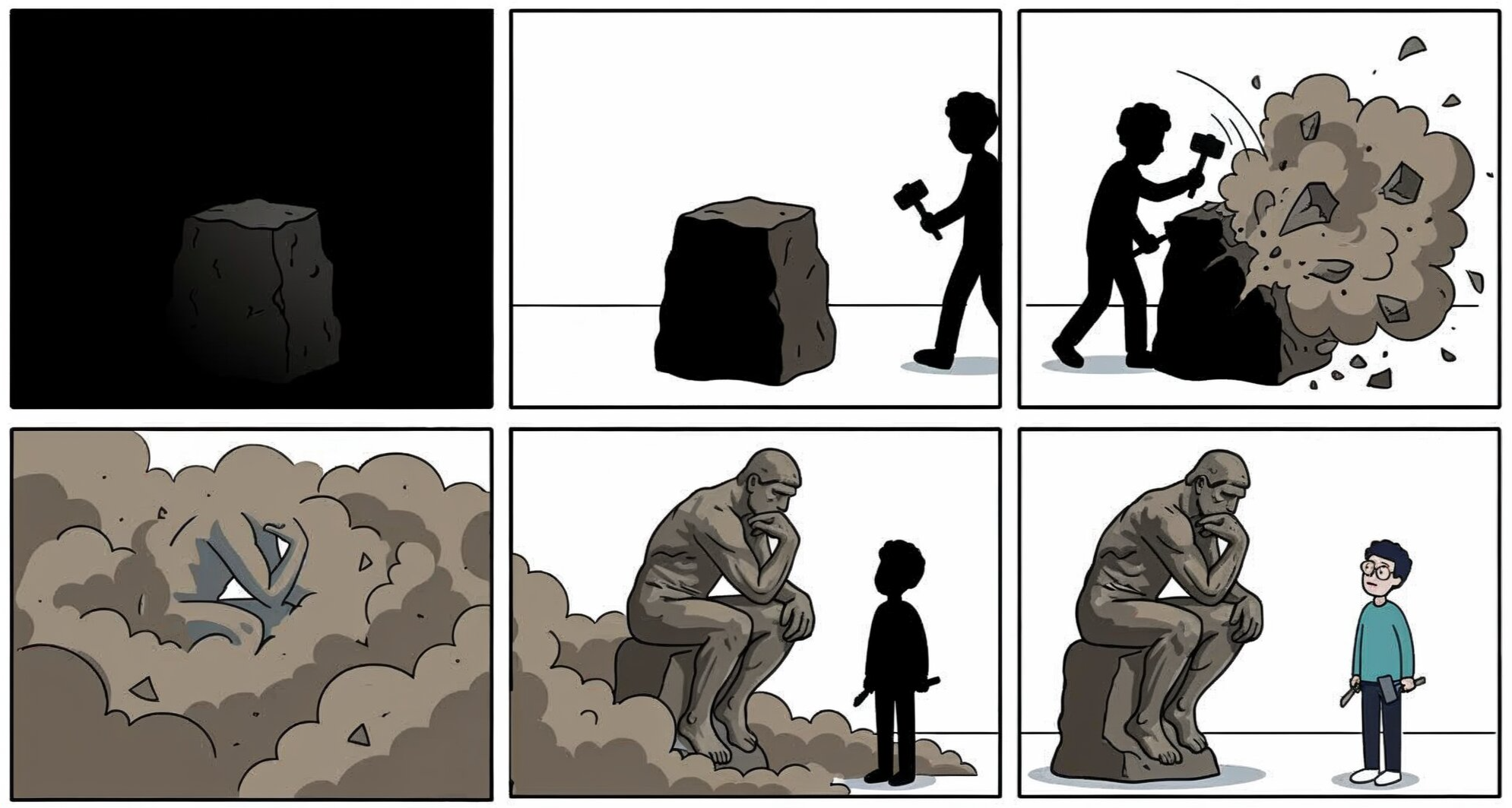
Tier 5 is coherence and it's the hardest level to reach, because it requires you to hold the entire system in your mind and ask if this all makes sense as a unit.
Coherence means aligning concepts and language so the same idea is named, represented and used consistently across features, APIs, data models, documentation and UI. It means identifying repeated solutions and turning them into shared patterns. It means reducing accidental complexity, removing unnecessary variation, duplication and special cases that increase cognitive load without adding real value.
Without coherence, systems become unpredictable, onboarding slows down, cognitive load increases, every change becomes risky. With coherence, understanding accelerates, defects become easier to detect, future features become cheaper to design.
Guardrails prevent collapse. Coherence enables scale. The right approach here is simplifying instead of expanding, unifying instead of fragmenting, removing instead of accumulating.
What this means for engineering teams
AI is rapidly shifting the status quo in software delivery. Feature generation that used to be the focal point and main resource investment is becoming faster and cheaper, but also more fragile. This makes understanding system-wide impact, preventing unintended behaviour and maintaining coherence across complex environments increasingly harder.
As AI accelerates Tier 1 contributions, engineering teams and enterprises in general must deliberately rethink and reinforce Tier 3–5 capabilities – design thinking, guardrails and system coherence. Without this shift, organisations risk scaling inconsistency, operational fragility and technical debt at machine speed.
If your organisation is already benefiting from AI-assisted development, now is the time to assess where your engineering contribution truly sits. Exactpro helps financial institutions and market infrastructures validate system behaviour, strengthen guardrails and maintain coherence across AI-accelerated environments. Talk to us about evaluating your engineering resilience in the AI era.
Does your development drive real impact or just multiply complexity?
Contact us at [email protected] to discuss the guardrails you need for the AI era.